
By Vaishnavi Shukla
One of the most common concerns parents have during their baby’s early years is whether their little one is gaining enough weight. Every visit to the pediatrician seems to revolve around the weighing scale, and it is easy to assume that a baby’s weight is the ultimate measure of health and growth.
While weight is certainly an important indicator, it is only one piece of a much larger puzzle. A healthy, thriving baby is much more than a number on a scale. Understanding the many aspects of growth can help parents feel more confident and avoid unnecessary worry.
Babies grow in many ways simultaneously. Their bodies, brains, muscles, and social skills are all developing rapidly. Focusing only on weight can sometimes cause parents to overlook other important signs that their child is progressing well.
Healthcare professionals assess growth using a combination of factors, including:
- Weight
- Length or height
- Head circumference
- Developmental milestones
- Feeding patterns
- Activity levels
- Overall health
Every baby grows at their own pace. Some babies are naturally smaller, while others are naturally larger. Genetics plays a significant role in determining a child’s growth pattern.
Monitoring both weight and length helps create a more balanced understanding of growth.
A healthy increase in head circumference can be an important indicator that the baby’s nervous system and brain are growing appropriately, even when weight gain is slower than expected.
Developmental Milestones Tell an Important Story
A baby’s abilities often reveal more about their health than the weighing scale alone.
- Being alert and responsive
- Making eye contact
- Smiling and interacting
- Learning to roll, sit, crawl, or walk according to their developmental stage
- Exploring their environment with curiosity
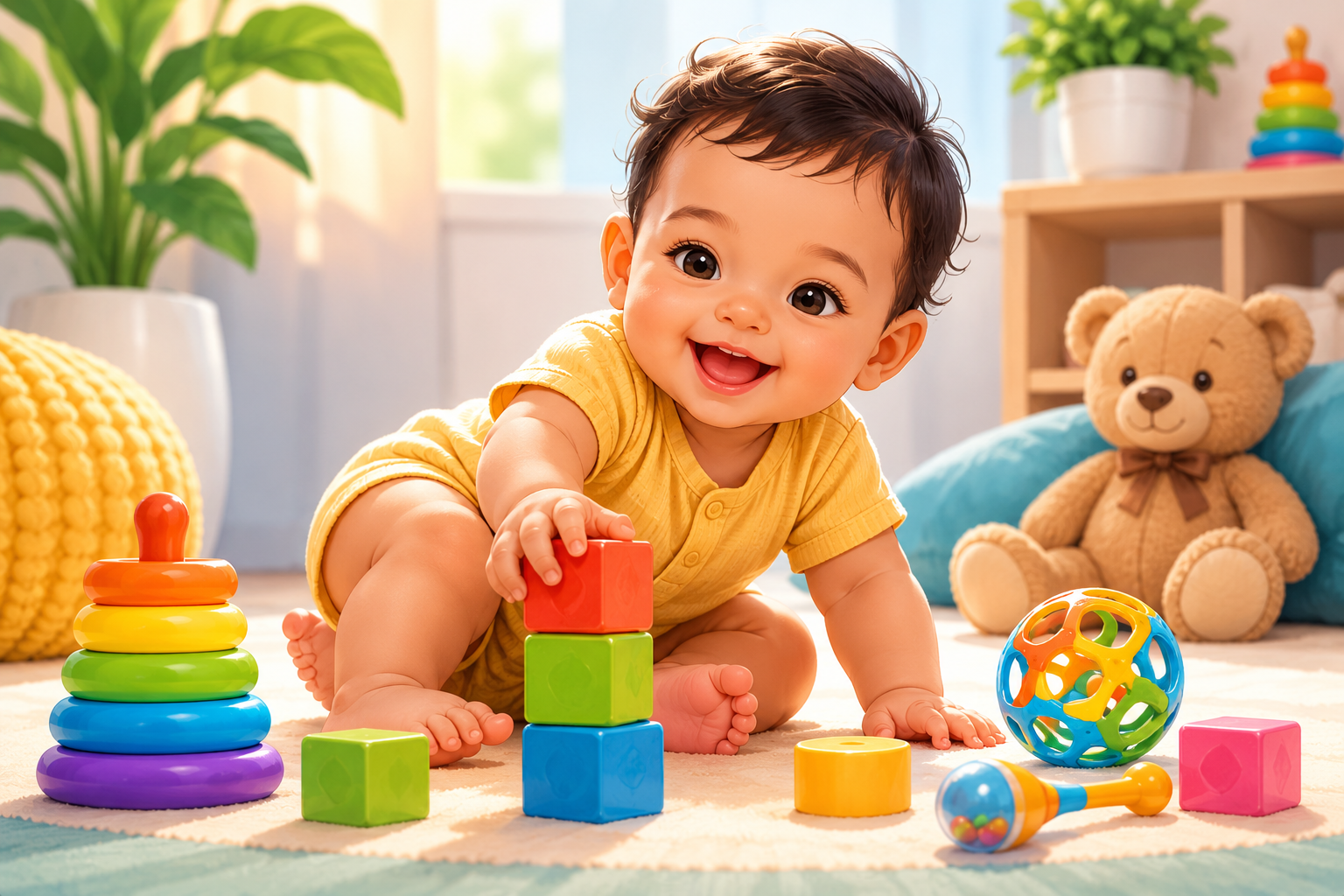
A baby who is active, engaged, and meeting developmental milestones is often growing well, regardless of where they fall on the weight chart.
Other Factors To Consider
- Eating patterns- these can vary depending on the baby’s mood, teething, growth spurt, etc. There can be days when the baby will eat more or less, so don’t worry.
- Diaper output- how many times the baby passes stools or pees is a good indicator of the baby’s growth.
- Change in clothing size- another indicator of growth.
- How frequently the baby’s nails have to be cut- this is again, something you won’t find in books but your grandma will tell you this. If you need to cut the baby’s nails often, it means excellent growth.
- Sleeping patterns- the baby’s sleeping patterns will change, napping frequencies will change. But a good night’s sleep is very important for proper growth and development.
Leave a Reply