

By Vaishnavi Shukla
Posture is more than just the way we sit or stand—it is the foundation of how our body aligns and functions throughout the day. Correct posture keeps bones, muscles, and joints in proper alignment, reducing unnecessary strain. In today’s world, where long hours of desk work, mobile phone use, and sedentary lifestyles are common, maintaining good posture has become more important than ever.
What Is Correct Posture?
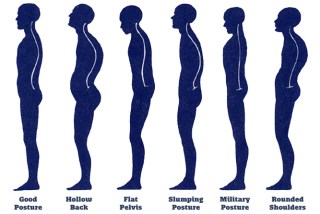
Correct posture means holding the body in a way that places the least strain on muscles, ligaments, and joints. It involves:
-
Sitting posture: Keeping feet flat on the floor, back straight, shoulders relaxed, and screen at eye level.
-
Standing posture: Weight evenly distributed on both feet, shoulders back, and head aligned with the spine.
-
Sleeping posture: Using supportive pillows and mattresses to keep the spine in a natural position.
Benefits of Maintaining Good Posture
1. Supports Musculoskeletal Health
-
Reduces strain on muscles, joints, and ligaments.
-
Prevents back pain, neck stiffness, and shoulder tension.
-
Helps avoid repetitive stress injuries caused by slouching or hunching.
2. Improves Breathing and Circulation
-
An upright posture allows the lungs to expand fully, improving oxygen intake.
-
Enhances blood flow, which supports energy levels and concentration.
3. Boosts Digestive Health
-
Sitting or standing correctly prevents compression of abdominal organs, aiding digestion.
-
Poor posture, especially slouching, can contribute to acid reflux and slowed digestion.
4. Enhances Mental Well-Being
-
Research suggests upright posture can improve mood, reduce stress, and boost confidence.
-
Good posture promotes alertness, reducing fatigue and increasing productivity.
5. Long-Term Health Protection
-
Prevents spinal deformities and conditions such as scoliosis or “tech neck.”
-
Reduces risk of chronic pain and mobility issues later in life.
Tips for Maintaining Correct Posture
-
Keep computer screens at eye level to avoid bending the neck.
-
Take short breaks every 30–60 minutes to stretch and move.
-
Strengthen core and back muscles through exercise (Yoga, Pilates, or stretching).
-
Use ergonomic chairs and supportive footwear.
-
Be mindful of posture throughout the day—gentle reminders or posture-correcting devices can help.
Correct posture is not just about appearance—it plays a crucial role in overall health, comfort, and confidence. By being mindful of how we sit, stand, and move, we can prevent pain, improve energy, and protect long-term well-being. In a world of constant screen use and sedentary habits, maintaining good posture is one of the simplest yet most powerful ways to take care of our bodies.
Leave a Reply